What Flowers to Give Your Foster Parent (and What Each One Says)
Contents:
- Why Flowers Work So Well for Foster Parents
- The Best Foster Parent Flowers by Meaning
- Sunflowers — Warmth, Loyalty, and Constancy
- Yellow Roses — Friendship and Deep Appreciation
- Lavender — Calm, Devotion, and Grace
- Peonies — Compassion and Good Fortune
- Daisies — Simplicity, Innocence, and New Beginnings
- A Seasonal Flower Calendar for Foster Parent Gifts
- A Story That Gets It Right
- Practical Tips for Choosing and Giving Foster Parent Flowers
- Consider Allergies and Living Situations
- Add a Personal Note — Always
- Think About Delivery Timing
- Budget Ranges That Work
- FAQ: Foster Parent Flowers
- What is the best flower to give a foster parent?
- When is the best time to give flowers to a foster parent?
- What flowers should I avoid giving a foster parent?
- Can a child in foster care give flowers to their foster parent?
- Are potted plants a good alternative to cut flowers for foster parents?
- Making Your Gift Count
Long before greeting cards existed, flowers were the language of gratitude. In Victorian England, a single yellow rose left on a doorstep meant “you have brought joy into my life” — no words required. That tradition of using blooms to express what’s hard to say out loud is exactly why foster parent flowers have become one of the most meaningful gifts a child, caseworker, or family member can give. Whether you’re celebrating a placement anniversary, saying thank you at reunification, or simply honoring someone who opened their home, the right flowers carry weight that a gift card never could.
Why Flowers Work So Well for Foster Parents
Foster parenting is one of the most emotionally complex roles a person can take on. The relationships formed are real and deep, yet they often exist outside the usual social scripts — there’s no Hallmark aisle specifically labeled “for your foster mom” or “for the couple who took me in at 14.” Flowers sidestep that awkwardness beautifully. They don’t require the giver to define the relationship. They just say: you matter, and I see what you do.
According to a 2026 survey by the Society of American Florists, 76% of recipients said receiving flowers made them feel genuinely appreciated — not just acknowledged. For foster parents, who often operate without public recognition or formal rewards, that emotional impact is amplified. A thoughtfully chosen arrangement says far more than a generic thank-you.
The Best Foster Parent Flowers by Meaning
Not every flower sends the same message. Here’s a breakdown of the blooms that translate especially well into the foster care context — and what they communicate without a single word.
Sunflowers — Warmth, Loyalty, and Constancy
Sunflowers are the single most purchased “gratitude” flower in the US, according to FTD’s annual gifting data. It’s not hard to see why. They’re bold, bright, and impossible to ignore — much like the impact a great foster parent has. A bouquet of 12 sunflowers typically runs $25–$45 at most local florists and carries an unmistakable message of warmth and steady support. If you want one flower that says “you were always there,” this is it.
Yellow Roses — Friendship and Deep Appreciation
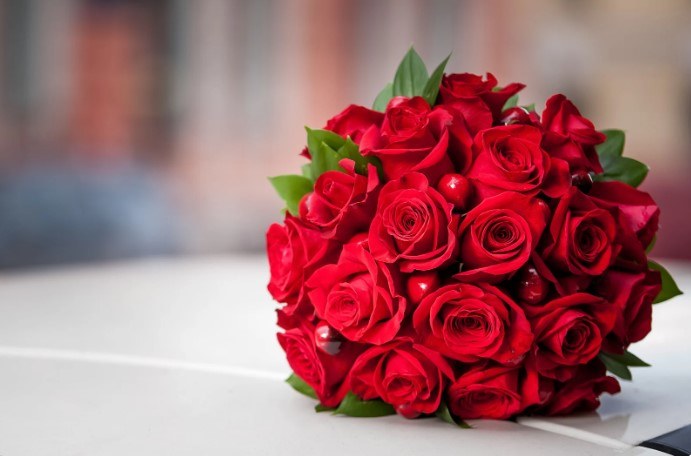
Red roses get all the press, but yellow roses are actually the more fitting choice here. They’ve symbolized friendship and caring since at least the 18th century. A mixed arrangement of yellow and cream roses — usually around $40–$60 for a medium bouquet — works especially well when the relationship between foster parent and child has matured into something that resembles chosen family.
Lavender — Calm, Devotion, and Grace
Fresh or dried, lavender signals a kind of quiet devotion. It’s a particularly thoughtful choice for a foster parent who has supported a child through trauma or instability. Lavender arrangements are also practical — dried bundles last 1–3 years and can sit on a windowsill long after fresh flowers have faded. Expect to pay $15–$30 for a quality dried bundle.
Peonies — Compassion and Good Fortune
In both Chinese and Western floral traditions, peonies represent compassion and a prosperous, full life. They’re a gorgeous option for milestone moments — a successful adoption, a long-term placement anniversary, or a foster parent appreciation event. One important note: peonies are seasonal. Their peak availability in the US runs from late April through June. Outside that window, expect to pay a premium ($60–$90 for a full arrangement) or substitute with garden roses, which carry a similar visual richness.
Daisies — Simplicity, Innocence, and New Beginnings
Sometimes the right gift isn’t the grandest one. A cheerful bunch of Gerbera daisies — $15–$25 at most grocery florists — is perfect when a child is buying flowers themselves, especially a younger one. The message is unpretentious and clear: happiness and fresh starts. That’s not a small thing in foster care.
A Seasonal Flower Calendar for Foster Parent Gifts
Timing your purchase to what’s naturally in season keeps costs down and quality up. Here’s a quick US-based reference:
- January–February: Tulips, amaryllis, alstroemeria — great for National Foster Care Month prep or winter appreciation events
- March–April: Daffodils, hyacinths, ranunculus — fresh and hopeful, ideal for spring placements or Easter-adjacent thank-yous
- May (National Foster Care Month): Peonies, lilac, iris — peak season for the most impactful arrangements
- June–August: Sunflowers, zinnias, lavender — long-lasting and heat-tolerant, perfect for outdoor appreciation events
- September–October: Dahlias, marigolds, chrysanthemums — rich, warm tones that suit end-of-year reflections
- November–December: Amaryllis, poinsettia (potted), winter whites — elegant for holiday gifting when fresh variety is limited
Buying in-season typically saves 20–40% compared to off-season sourcing, and the blooms will last noticeably longer once cut.
A Story That Gets It Right
A teenager named Marcus had been in his foster placement for almost two years when his foster mother, Diane, helped him get his first job. He wanted to do something to say thank you — something real. He had $22. He went to a grocery store florist and picked out a bunch of sunflowers and a small card. “I didn’t know what to write,” he later said, “so I just wrote: you didn’t have to, but you did.”
Diane kept those sunflowers in a mason jar on her kitchen counter until they were completely dried out. Then she kept the dried stems. The cost was almost nothing. The meaning was everything. That’s the thing about flowers for foster parents — it’s rarely about the arrangement. It’s about the acknowledgment.
Practical Tips for Choosing and Giving Foster Parent Flowers

Consider Allergies and Living Situations
Some foster homes include infants, toddlers, or individuals with severe pollen allergies. Low-pollen options like roses, hydrangeas, and orchids are safer bets than heavy-pollinators like lilies or chamomile. If you’re unsure, a potted orchid ($20–$50 at most garden centers) is an elegant, long-lasting alternative that produces virtually no airborne pollen.
Add a Personal Note — Always
The flowers are the vehicle. The note is the message. A handwritten card — even three sentences — transforms a store-bought bouquet into something irreplaceable. Be specific: mention a single moment, a quality you genuinely admire, or something they said that you still think about. Generic appreciation (“thank you for everything”) lands softer than a targeted one (“thank you for staying up with me that night in October”).
Think About Delivery Timing
May is National Foster Care Month in the US — an ideal window for intentional gifting. But the most meaningful moments are often the unexpected ones: a random Tuesday in March, the anniversary of a placement, or the day a child transitions to independence. Scheduling a delivery for one of these dates through a service like 1-800-Flowers or a local florist (local is almost always fresher) adds a layer of thoughtfulness that doesn’t go unnoticed.
Budget Ranges That Work
- Under $25: Single-variety bunches (sunflowers, daisies, tulips) from grocery florists — entirely appropriate and genuinely lovely
- $25–$60: Designed arrangements from local florists — allows for custom color palettes and meaningful flower combinations
- $60–$100+: Premium seasonal arrangements, potted plants, or flower subscriptions (1–3 months) — ideal for group gifts from multiple people
FAQ: Foster Parent Flowers
What is the best flower to give a foster parent?
Sunflowers and yellow roses are the top choices for foster parent appreciation gifts. Sunflowers symbolize warmth and loyalty; yellow roses represent deep friendship and gratitude. Both are widely available, affordable ($25–$50), and communicate care without requiring a specific relationship label.
When is the best time to give flowers to a foster parent?
May — National Foster Care Month — is the most recognized time, but placement anniversaries, reunification days, adoption finalization dates, and “just because” moments are often more personally meaningful. The unexpected gift tends to land hardest.
What flowers should I avoid giving a foster parent?
Avoid heavily scented flowers like stargazer lilies if the household includes infants or allergy-prone individuals. Also avoid flowers with strong cultural associations to funerals or loss (white chrysanthemums in some Asian American households, for instance) unless you know the recipient’s background well.
Can a child in foster care give flowers to their foster parent?
Absolutely — and it’s often the most meaningful gift of all. A small bunch of grocery store daisies or sunflowers ($10–$20) with a handwritten note is entirely appropriate and genuinely impactful. The dollar amount is irrelevant; the gesture is everything.
Are potted plants a good alternative to cut flowers for foster parents?
Yes. Potted orchids, succulents, and herb gardens are excellent alternatives. They last significantly longer than cut flowers — orchids can rebloom for years — and carry the added symbolism of ongoing growth. A quality potted orchid runs $20–$50 at most garden centers or florists.
Making Your Gift Count
The next time you want to honor a foster parent — whether you’re a former foster child, a caseworker, a friend, or a grateful family member — start with the flower that feels most like them. A person who brings steady warmth deserves sunflowers. Someone who creates genuine chosen-family bonds deserves yellow roses. A quiet, devoted caregiver? Lavender. The flower is just the beginning. Pair it with specificity — a real note, a chosen date, a memory named out loud — and you’ve given something that lasts far beyond the blooms themselves.
Check your local florist’s availability this week, or browse a same-day delivery service if you’re working on short notice. The best time to say thank you is whenever you actually feel it.