What Flowers to Give Your Elderly Neighbor: A Florist’s Guide to Getting It Right

Contents:
- Why Flower Choice Matters More for Elderly Recipients
- The Best Elderly Neighbor Flowers by Category
- Fragrant Favorites That Don’t Overwhelm
- Long-Lasting Blooms for Maximum Value
- Potted Plants as Lasting Gifts
- Sunflowers and Cheerful Statement Blooms
- Common Mistakes to Avoid
- Practical Tips for Giving Flowers That Last
- Seasonal Picks for Every Time of Year
- FAQ: Flowers for Elderly Neighbors
- What are the best low-maintenance flowers to give an elderly neighbor?
- Are there flowers I should avoid giving to older adults?
- How much should I spend on flowers for a neighbor?
- Is it better to give cut flowers or a potted plant to an elderly neighbor?
- What flowers are naturally fragrant and safe for indoor spaces?
- Ready to Give the Perfect Bloom?
The scent hits you first. Warm, honeyed freesia drifting through a screen door on a Tuesday afternoon. That’s what a well-chosen floral gift does — it doesn’t just sit on a table, it changes the whole atmosphere of a room. Choosing the right elderly neighbor flowers is one of those small acts of kindness that lands far bigger than it looks. But there’s real craft behind picking blooms that delight rather than overwhelm, that last without demanding attention, and that feel personal rather than generic.
You already know your way around a garden bed. You understand hardiness zones, you’ve overwintered dahlias, and you can tell a determinate from an indeterminate tomato. That same knowledge gives you a serious edge when choosing flowers as gifts — you just need to redirect it from growing to giving.
Why Flower Choice Matters More for Elderly Recipients
Older adults often live in smaller spaces — apartments, assisted living suites, or downsized homes — where a towering 24-stem arrangement can feel more like a chore than a comfort. Vase changes, stem trimming, petal cleanup: tasks that feel effortless at 45 can be genuinely difficult at 80. Beyond logistics, there are sensory and health considerations worth knowing.
According to a 2026 survey by the Society of American Florists, 67% of floral gift recipients over age 70 said they preferred arrangements of 5–8 stems over large bouquets, citing ease of care as the primary reason. That single data point should reshape how you shop.
Fragrance preferences shift with age, too. Many older adults experience heightened scent sensitivity, meaning an overpowering lily can trigger headaches rather than smiles. Medications common in older populations — antihistamines, blood pressure drugs — can also amplify or distort scent perception. Choose blooms with gentle, warm fragrances over sharp or medicinal ones.
The Best Elderly Neighbor Flowers by Category
Fragrant Favorites That Don’t Overwhelm
Freesia tops this list for good reason. Each stem carries 6–10 small florets that open sequentially over 10–14 days, meaning the bouquet evolves rather than fades all at once. The scent is citrusy and soft — never sharp. A 6-stem bunch costs around $8–$12 at most grocery florists and lasts beautifully in a short mason jar.
Sweet William (Dianthus barbatus) is another underrated gem. It smells faintly of cloves, comes in rich reds and pinks, and holds for 10–12 days in a clean vase. Gardeners especially appreciate giving it because it’s so recognizable — your neighbor may have grown it herself decades ago.
Long-Lasting Blooms for Maximum Value
Carnations get unfairly dismissed as “filler flowers,” but a mono-color carnation bouquet — say, a dozen in soft peach — is genuinely elegant and lasts up to 3 weeks with basic care. At $10–$18 per dozen, they’re among the best value in the floral world. Alstroemeria (Peruvian lily) is another workhorse: each stem has 4–6 blooms that open over 2–3 weeks and require almost no maintenance.
Potted Plants as Lasting Gifts
A potted plant sends a message that a cut bouquet can’t: I’m thinking about you for the long haul. Potted lavender (hardy in USDA Zones 5–8) is ideal — it smells incredible, requires watering only every 7–10 days, and can eventually be transplanted to a patio pot or garden bed. African violets are perfect for windowsill apartments: they thrive in indirect light, need water just once or twice a week, and bloom almost year-round. Expect to spend $15–$25 for a healthy potted option at a local nursery.
Sunflowers and Cheerful Statement Blooms
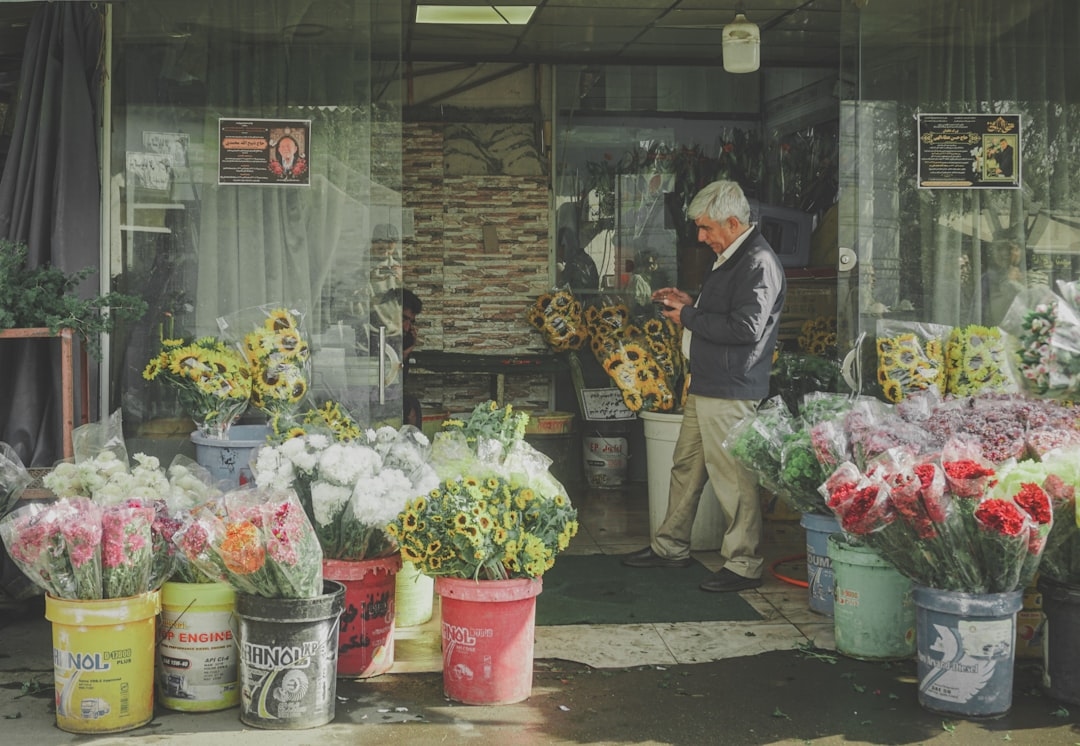
Few flowers communicate warmth the way sunflowers do. A 5-stem bunch of standard sunflowers brightens any kitchen table and lasts 7–10 days. For something more refined, look for specialty varieties like ‘Teddy Bear’ (fluffy, pollen-free, perfect for allergy-sensitive neighbors) or ‘Lemon Queen’ for a softer yellow. Pollen-free varieties matter here — standard sunflowers drop yellow pollen on furniture, which is messy and potentially irritating.
Common Mistakes to Avoid
- Heavily scented stargazer lilies: Beautiful but potent. The fragrance can be overwhelming in a small room and the orange pollen stains fabric permanently.
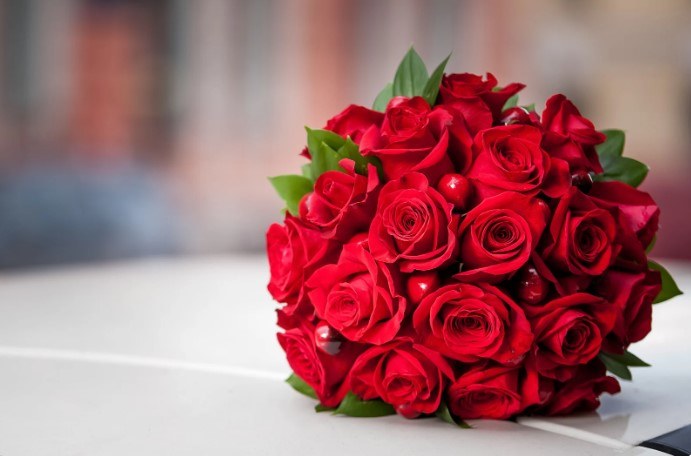
- Large thorned roses without preparation: If you’re gifting roses, ask the florist to de-thorn them fully. Handling thorned stems is genuinely hazardous for someone with thin skin or reduced grip strength.
- Exotic tropical arrangements: Birds of paradise and anthuriums are striking but can feel cold and impersonal. They also require specific warmth to last.
- Forgetting a vase: Assuming your neighbor has a vase handy is a gamble. Include an inexpensive clear glass vase — a $5 option from a dollar store works perfectly — or choose a pre-arranged bouquet in a container.
- Ignoring allergies: Chrysanthemums and heavily-hybridized daisies are common allergens. If you’re unsure, ask. A quick knock on the door with “do you have any flower allergies?” takes 10 seconds and prevents a week of sneezing.
Practical Tips for Giving Flowers That Last
“The single biggest thing you can do to extend vase life is to cut stems at a 45-degree angle under running water and change the vase water every two days. Most people skip the water change and then blame the flowers.” — Margaret Osei, Certified Floral Designer and instructor at the American Institute of Floral Designers (AIFD)
Beyond stem prep, here are four specifics worth remembering:
- Buy local when possible. Flowers from a local florist or farmers market have typically traveled fewer miles than supermarket stems, meaning they have 2–4 more days of vase life built in.
- Include a care card. Write or print a simple 3-line note: change water every 2 days, trim stems every 3–4 days, keep away from direct heat. It doubles flower longevity and shows genuine thoughtfulness.
- Time your delivery. Don’t deliver flowers on a day your neighbor won’t be home. Flowers left outside in summer heat for 3 hours can lose half their vase life before they even reach a vase.
- Consider stem count over size. A tightly-grouped 7-stem arrangement in a short vase is easier to handle, display, and enjoy than an sprawling 20-stem bouquet in a tall cylinder vase.
Seasonal Picks for Every Time of Year
Seasonal flowers are fresher, cheaper, and more likely to carry genuine fragrance (many off-season imports are bred for shelf life, not scent). In spring, tulips and ranunculus are peak-season stars — a 10-stem tulip bunch runs $8–$15 and lasts 7–10 days. Summer is sunflower and zinnia season; both are often available from local growers at farmers markets for $5–$10 per bunch. Fall brings dahlias and rudbeckia into their prime — as a gardener, you may even be able to cut these from your own plot. In winter, forced paperwhite narcissus bulbs make a warm, fragrant potted gift that blooms over 3–4 weeks indoors.
FAQ: Flowers for Elderly Neighbors
What are the best low-maintenance flowers to give an elderly neighbor?
Carnations, alstroemeria, and freesia are the top three low-maintenance cut flowers. For potted options, African violets and potted lavender require minimal watering and no deadheading. All last 10–21 days with basic care.
Are there flowers I should avoid giving to older adults?
Yes. Avoid stargazer lilies (overpowering scent, staining pollen), thorned roses unless fully de-thorned, and chrysanthemums if your neighbor has allergies. Also skip large, heavy arrangements that are difficult to lift or reposition.
How much should I spend on flowers for a neighbor?
A thoughtful bouquet for a neighbor typically falls in the $20–$40 range. A $25 mixed seasonal bouquet from a local florist or a $20 potted plant from a nursery both read as genuinely generous without feeling excessive.
Is it better to give cut flowers or a potted plant to an elderly neighbor?
It depends on your neighbor’s situation. Cut flowers are lower commitment — they don’t require ongoing care decisions. Potted plants last longer and feel more personal, but work best for neighbors who enjoy tending plants. When in doubt, a potted African violet or lavender is safe and nearly foolproof.
What flowers are naturally fragrant and safe for indoor spaces?
Freesia, sweet William, hyacinth (in small quantities), and garden roses with heirloom genetics are all gently fragrant and safe indoors. Avoid highly-bred modern roses, which often have little to no scent despite their appearance.
Ready to Give the Perfect Bloom?
Your gardening instincts already tell you that the right plant in the right conditions does something magical. The same principle applies to elderly neighbor flowers: the right bloom, thoughtfully chosen and properly cared for, can genuinely brighten someone’s week. Start with one of the recommendations above — freesia, potted lavender, or a pollen-free sunflower bunch — and add a handwritten care card. Then pay attention to the response. You’ll know in about 30 seconds whether you got it right. And once you do, you’ll have a new kind of expertise to add to your growing repertoire.