What Flowers to Give Your Coach at the End of the Season

Contents:
- Why Flowers Work Better Than Most End-of-Season Gifts
- Best Flowers to Give a Coach at the End of the Season
- Sunflowers
- Alstroemeria (Peruvian Lily)
- Roses
- Chrysanthemums
- Potted Orchids
- Regional Considerations: What’s Available Where You Live
- The Eco-Friendly Angle: Choosing Sustainable Coach Appreciation Flowers
- Practical Tips for Buying Coach End of Season Flowers
- FAQ: Coach Appreciation Flowers
- What are the best flowers to give a coach at the end of the season?
- How much should I spend on end-of-season flowers for a coach?
- When should I order flowers for a coach appreciation gift?
- Are there eco-friendly flower options for coach gifts?
- Can I give flowers to a male coach?
- Make It Count Before the Final Whistle
You’ve got a budget, a thank-you card, and about three days before the end-of-season party — and you’re staring at a florist’s website completely overwhelmed. Coach end of season flowers sound simple until you realize there are dozens of options, wildly different price points, and no obvious “right answer.” This guide cuts through the noise. Here’s exactly what to get, why it works, and how to avoid the bouquets that end up in a trash can by Tuesday.
Why Flowers Work Better Than Most End-of-Season Gifts
Gift cards feel transactional. Mugs pile up. But a thoughtful floral arrangement does something different — it marks a moment. Coaches often receive the same generic gifts year after year. A well-chosen bouquet, especially one with longevity or a personal touch, stands out precisely because it’s perishable and deliberate.
There’s also a practical upside: flowers are universally appropriate. You don’t need to know a coach’s clothing size, hobbies, or dietary restrictions. A $40 arrangement from a quality local florist signals appreciation without overstepping professional boundaries.
That said, not all flowers are created equal for this purpose. Longevity matters. A coach receiving a gift at a Friday evening banquet doesn’t want something that droops by Sunday morning. Aim for arrangements featuring flowers with a vase life of 7–14 days.
Best Flowers to Give a Coach at the End of the Season
Focus on flowers that are both visually impressive and long-lasting. These varieties consistently perform well as coach appreciation gifts:
Sunflowers
Sunflowers are the workhorse of the appreciation bouquet. They’re bold, cheerful, and carry an obvious symbolism — energy, warmth, gratitude — without being sentimental to the point of awkwardness. A dozen sunflowers from a local florist typically runs $25–$45. They last 7–10 days in a vase with fresh water and a clean cut every two days.
Sunflowers also read as gender-neutral, which matters when you’re buying for a coach you don’t know intimately. They’re equally appropriate for a youth soccer coach, a high school swim coach, or a club volleyball director.
Alstroemeria (Peruvian Lily)
This is the underrated choice. Alstroemeria lasts up to 14 days in a vase — longer than roses, longer than tulips. The blooms are multi-petaled, come in a wide range of colors, and hold their shape well. A mixed alstroemeria bouquet costs roughly $20–$35 and gives you excellent visual volume for the price.
If you’re putting together a team gift pooling contributions from multiple families, alstroemeria lets you build a full, lush arrangement without blowing the budget.
Roses
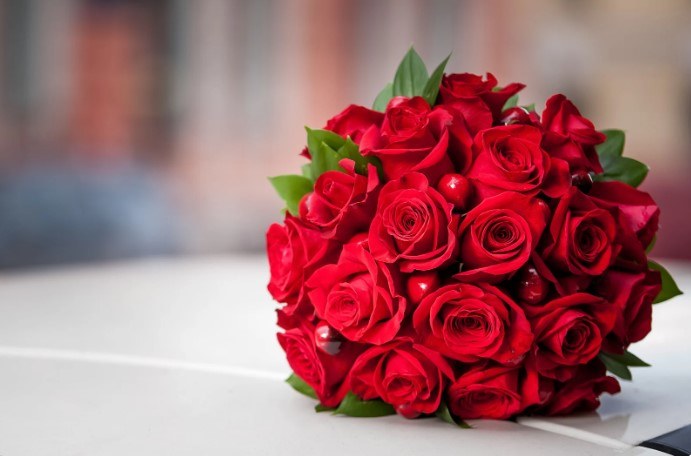
Classic for a reason. A dozen long-stem roses signals formality and genuine appreciation. Go with red for a head coach who’s been with your athlete for multiple seasons. Mixed colors — peach, yellow, cream — work better for a first-year coach or a more casual relationship. Expect to pay $45–$75 for a quality dozen from a florist (not a grocery store bucket).
One honest caveat: roses have a vase life of only 5–7 days if not cared for properly. Include a packet of flower food with the arrangement, or choose a florist who does this automatically.
Chrysanthemums
Fall sports coaches — football, cross country, field hockey — are receiving gifts right in peak chrysanthemum season. That’s not a coincidence worth ignoring. Mums are available in deep burgundy, burnt orange, and golden yellow through October and November, and a full arrangement costs $20–$40. They last 10–14 days, making them one of the best value options per dollar spent.
Potted Orchids
If your budget is $50 or above and you want something truly memorable, a potted phalaenopsis orchid changes the category entirely. Unlike a cut arrangement, a healthy orchid can rebloom for months or years. It’s a living gift that extends well past the end of the season. Most grocery stores and florists carry them for $30–$60; specialty nurseries stock more dramatic multi-spike plants for $50–$90.
This is especially effective for a coach who is retiring, leaving the program, or completing a significant milestone season.
Regional Considerations: What’s Available Where You Live
Flower availability shifts significantly by geography, and what’s abundant and affordable in one region may be scarce or expensive in another.
In the Northeast — particularly during fall sports seasons — locally grown asters, dahlias, and late-season zinnias are plentiful at farmers markets and independent florists through October. These local options often cost 20–30% less than imported stems and arrive fresher.

In the South, magnolia branches and gardenias are culturally resonant and widely available at local florists, particularly in Georgia, the Carolinas, and Louisiana. A mixed arrangement incorporating gardenias alongside standard roses reads as distinctly personal and regional rather than generic.
On the West Coast, ranunculus and protea are standard at most florists year-round and represent excellent longevity — protea especially can last 2–3 weeks in a vase and even dries beautifully afterward. California-grown flowers also carry a lower transport carbon footprint, which matters if sustainability factors into your decision.
The Eco-Friendly Angle: Choosing Sustainable Coach Appreciation Flowers
Most cut flowers sold in the US are imported — approximately 80% come from Colombia and Ecuador, according to the Society of American Florists. That supply chain involves significant air freight and cold-chain energy use. If you want to give a more sustainable gift, here are concrete steps that don’t require sacrificing quality:
- Buy from local growers. Search for USDA-certified local farms or use LocalHarvest.org to find flower farms near you. Locally grown stems reduce transport emissions and often arrive fresher.
- Look for Rainforest Alliance or Fair Trade certified flowers. Several major importers now carry certified stems; ask your florist directly.
- Choose potted plants over cut flowers. A potted plant produces zero floral waste and continues growing. The orchid option above fits squarely into this category.
- Skip floral foam (oasis). Traditional green floral foam is made from non-biodegradable plastic. Ask your florist for foam-free arrangements held with chicken wire, wood wool, or reusable frogs instead.
A foam-free, locally sourced arrangement may cost $5–$10 more than a standard import-heavy bouquet, but the quality and shelf life are typically better.
Practical Tips for Buying Coach End of Season Flowers
Knowing which flowers to buy is only half the equation. How and when you buy them matters just as much.
- Order 48–72 hours in advance from a local florist, especially during May (spring sports) and November (fall sports) when demand peaks. Same-day orders often get fulfilled with whatever’s left in the cooler.
- Specify the occasion. Tell your florist it’s a coach appreciation gift. Most will steer you toward longer-lasting varieties automatically.
- Include a handwritten note. A printed card from the florist’s printer feels impersonal. A handwritten note from the team — even a few sentences — elevates the entire gift.
- Budget $35–$60 for an individual family gift; $60–$120 for a team gift. These ranges get you quality without overspending.
- Avoid lily of the valley and Easter lilies if the coach has pets at home, particularly cats. These plants are highly toxic to cats — worth knowing before you send something beautiful that creates a household hazard.
FAQ: Coach Appreciation Flowers
What are the best flowers to give a coach at the end of the season?
Sunflowers, alstroemeria, roses, and chrysanthemums are top choices. Alstroemeria and mums offer the best longevity (up to 14 days), while sunflowers provide strong visual impact at a modest price point. For a lasting gift, a potted phalaenopsis orchid outlasts all cut flower options.
How much should I spend on end-of-season flowers for a coach?
For an individual family, $35–$60 is appropriate. For a team pooling funds, $60–$120 gets you a full, impressive arrangement. Avoid the grocery store bucket bouquets under $15 — they’re made with short-lived filler flowers and look it.
When should I order flowers for a coach appreciation gift?
Order 48–72 hours before the event. Spring sports seasons peak in May; fall sports peak in October and November. Local florists book up quickly during these windows. Same-day ordering limits your options significantly.
Are there eco-friendly flower options for coach gifts?
Yes. Look for locally grown stems from regional farms, Rainforest Alliance certified imports, or skip cut flowers entirely in favor of a potted plant. Request foam-free arrangements to avoid non-biodegradable floral foam in the design.
Can I give flowers to a male coach?
Absolutely. Sunflowers, protea, tropical arrangements, and succulent-mixed bouquets all present as gender-neutral. Avoid overly delicate pastel arrangements if you’re unsure of personal taste, and lean toward bold, structural flowers instead.
Make It Count Before the Final Whistle
The end of a season is a narrow window. Coaches move on to the next team, the next year, the next set of athletes. A well-chosen bouquet of coach end of season flowers — ordered early, bought thoughtfully, and paired with a handwritten note — lands differently than a last-minute gas station stop.
Pick one of the options above, call a local florist this week, and ask for something that lasts. The gesture takes 15 minutes of planning. The impression lasts longer than the flowers do.