What Flowers to Give Your Yoga Instructor: A Thoughtful Giver’s Guide
Contents:
- Why Flower Choice Matters for Yoga Instructors
- Best Yoga Instructor Flowers by Meaning and Use
- Lavender: Calm in Stem Form
- White Lotus: The Symbolic Choice
- Chamomile: Small, Meaningful, and Practical
- Sunflowers: Grounded, Bright, Accessible
- What to Avoid When Giving Yoga Instructor Flowers
- Eco-Friendly Presentation: The Sustainable Angle
- Practical Tips for Timing and Delivery
- FAQ: Yoga Instructor Flowers
- What is the best single flower to give a yoga instructor?
- Should I avoid scented flowers for a yoga teacher?
- Are there flowers with specific meaning in yoga tradition?
- How much should I spend on flowers for my yoga instructor?
- Can I give a potted plant instead of cut flowers?
- Bringing It All Together: A Gift That Reflects the Practice
Flowers have been used in contemplative traditions for over 5,000 years — the lotus alone appears in Hindu, Buddhist, and Egyptian iconography as a symbol of spiritual awakening. That context matters when you’re choosing yoga instructor flowers, because a good gift here isn’t just decorative. It’s an extension of the practice itself.
Most people default to roses or mixed supermarket bouquets. Both are fine, but neither says much. A more considered choice — one rooted in botanical meaning and the values yoga instructors tend to hold — lands with far more resonance.
Why Flower Choice Matters for Yoga Instructors
Yoga instructors spend their professional lives cultivating intention. Many are attuned to scent in a way most people aren’t — overpowering fragrance in a closed studio can trigger headaches or interfere with breathwork classes. Lilies, tuberose, and heavy oriental roses, while beautiful, are risky choices in this context.
Beyond scent, a significant number of yoga teachers lean toward plant-based, low-waste lifestyles. A 2026 survey by the Yoga Alliance found that 68% of registered yoga teachers identified sustainability as a core personal value. That’s a meaningful signal for gifting: locally grown, seasonal, or organic flowers will almost always be better received than imported, pesticide-treated stems.
Best Yoga Instructor Flowers by Meaning and Use
Lavender: Calm in Stem Form
Lavender (Lavandula angustifolia) is the most on-brand flower you can give a yoga teacher. Its association with relaxation is well-documented — studies show that inhaling linalool, lavender’s primary aromatic compound, reduces cortisol levels by up to 24% in controlled settings. Dried lavender bundles are particularly thoughtful because they last for months and can be hung in a home studio or placed near a meditation cushion.
Fresh lavender is available at US farmers markets from late May through August in most USDA hardiness zones 5–8. A hand-tied bundle of 10–15 stems typically costs $8–$14 and looks elegant without trying too hard.
White Lotus: The Symbolic Choice
The lotus is yoga’s most iconic flower. White lotus (Nelumbo nucifera) specifically represents purity of mind and spiritual clarity in both Hindu and Buddhist traditions — concepts that sit at the heart of most yoga lineages. Fresh cut lotus stems are harder to source in the US, but specialty florists and Asian floral markets often carry them. Alternatively, lotus-themed arrangements using white water lilies achieve the same visual and symbolic effect at around $20–$35 per arrangement.
Chamomile: Small, Meaningful, and Practical
German chamomile (Matricaria chamomilla) is underused as a gift flower, which is exactly why it works. The daisy-like blooms are delicate and unpretentious. More practically, dried chamomile can be brewed into tea — a genuinely useful gift for someone who teaches early morning or evening restorative classes. A small bundle paired with a handwritten note costs almost nothing and communicates real thoughtfulness.
Sunflowers: Grounded, Bright, Accessible
Sunflowers represent vitality and solar energy — fitting for a vinyasa or power yoga instructor. They’re also one of the most sustainable cut flowers available in the US, grown domestically at scale in California, Colorado, and Kansas. A single large sunflower stem runs about $3–$5 at most florists, making it a no-fuss, low-waste option that doesn’t feel cheap.
What to Avoid When Giving Yoga Instructor Flowers
- Strong-scented lilies or tuberose — can overwhelm a studio space and linger on yoga mats and props.
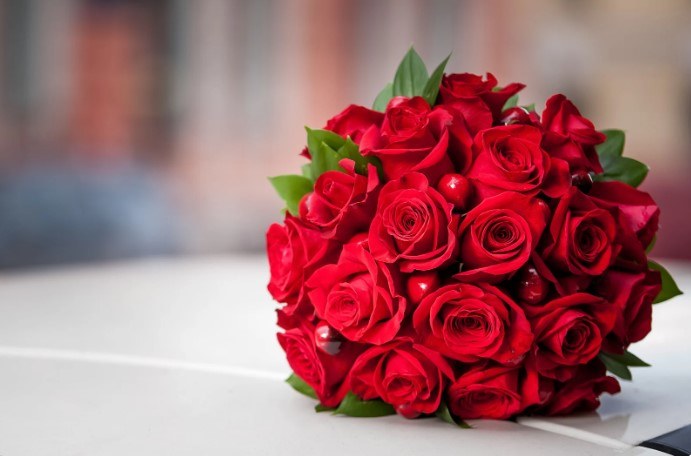
- Red roses — romantic connotation creates unnecessary awkwardness in a teacher-student dynamic.
- Dyed or artificially colored flowers — synthetic dyes are a red flag for eco-conscious recipients.
- Imported roses in plastic sleeves — most roses sold in US grocery stores are flown from Ecuador or Colombia and treated with significant pesticide loads.
Eco-Friendly Presentation: The Sustainable Angle
How you present the flowers matters almost as much as which flowers you choose. Avoid floral foam (it’s made from non-biodegradable phenolic foam and sheds microplastics). Instead, ask your florist for arrangements in a simple glass vase, a recycled kraft paper wrap, or a reusable fabric wrap. Several US florists now offer “naked bouquets” with zero plastic packaging — search for local options through the Slow Flowers directory at slowflowers.com, which lists sustainably sourced florists by zip code.
If you grow your own, a small cutting from your garden — even just three stems of lemon balm, calendula, or rosemary in bloom — is arguably the most personal gift possible. Garden-cut herbs like rosemary (associated with remembrance and clarity) or lemon balm (used in Ayurvedic calming practices) double as functional kitchen herbs after the blooms fade.
Practical Tips for Timing and Delivery
Teacher appreciation moments tend to cluster around the end of a session series, seasonal solstice classes, or the end of a yoga teacher training program. For a graduation or end-of-training gift, a potted plant — a small peace lily, a succulent, or a dwarf lavender in a terracotta pot — outlasts any cut bouquet and costs between $10–$25 at most garden centers. Peace lilies are particularly apt: NASA’s Clean Air Study found they remove benzene, formaldehyde, and trichloroethylene from indoor air, making them a genuinely functional studio gift.
If you’re ordering for delivery, same-day local florists consistently outperform national delivery chains for quality and sustainability. 1-800-Flowers and FTD source from centralized warehouses; local studios route through local growers. The price difference is often minimal — and the product difference is significant.
FAQ: Yoga Instructor Flowers
What is the best single flower to give a yoga instructor?
Lavender is the most universally appropriate choice — it aligns with yoga’s emphasis on calm and mindfulness, is available seasonally across the US, and works equally well fresh or dried. A small bundle costs under $15 and requires no explanation.
Should I avoid scented flowers for a yoga teacher?
Yes, if they teach in an enclosed studio. Strong-scented flowers like oriental lilies, gardenias, and tuberose can interfere with breathwork and linger on props and mats. Low-scent options like sunflowers, chamomile, echinacea, or dried lavender (which has a softer scent when dried) are safer choices.
Are there flowers with specific meaning in yoga tradition?
The lotus is yoga’s most symbolically significant flower, representing spiritual awakening and the rising of consciousness. Marigolds (Tagetes) are also deeply embedded in Hindu ceremony and are used in traditional offering garlands. Either makes a gift with genuine cultural resonance.
How much should I spend on flowers for my yoga instructor?
$15–$30 is appropriate for a thoughtful, well-chosen arrangement. A single significant stem (like a large dried lotus pod or a premium sunflower) can cost $5–$8 and feel more personal than a generic $50 mixed bouquet. Spend on quality and meaning, not volume.
Can I give a potted plant instead of cut flowers?
Absolutely — and many yoga instructors prefer them. A small peace lily, potted lavender, or herb plant like lemon balm or holy basil (Ocimum tenuiflorum, known as tulsi in Ayurvedic practice) lasts far longer than cut flowers and has an ongoing usefulness that cut blooms don’t.
Bringing It All Together: A Gift That Reflects the Practice
The best yoga instructor flowers are ones chosen with the same mindfulness your instructor brings to the mat. That means considering fragrance sensitivity, sustainability, symbolic weight, and practical longevity — not just color or what looked good at the checkout counter.
Start by narrowing to one or two stems with genuine meaning: a dried lavender bundle, a handful of chamomile, a potted tulsi plant. Wrap it simply. Add a handwritten note that references a specific class, sequence, or teaching moment that stayed with you. That combination — intentional flower, minimal packaging, personal words — will be remembered long after a cellophane-wrapped supermarket bouquet has wilted and been forgotten.
If you grow any of these plants yourself, consider starting a small cutting garden specifically for gifting. Lavender, chamomile, and calendula all perform well in containers in USDA zones 5–9 and will give you a season’s worth of meaningful, garden-fresh gifts that cost almost nothing beyond the initial seed packet.