Best Flowers for a Friend Going Through IVF (and What They Actually Mean)

Contents:
- Why Flowers Matter During IVF Treatment
- The Best IVF Support Flowers: Meanings, Durability, and Mood
- Sunflowers: The Gold Standard of Encouragement
- White or Blush Peonies: Softness When It’s Needed Most
- Chamomile and Daisy Clusters: Small Apartment-Friendly
- Lavender Stems (Dried): Low-Maintenance, Long-Lasting
- IVF Support Flowers vs. Get-Well Flowers: An Important Distinction
- What to Avoid: Scent, Symbolism, and Sensitivity
- Regional Flower Availability and Seasonal Considerations
- Practical Tips for Sending IVF Support Flowers
- Eco-Friendly Floral Gifting for IVF Support
- FAQ: IVF Support Flowers
- What flowers are best to send someone going through IVF?
- When is the best time to send IVF support flowers?
- Are there flowers I should avoid sending someone on IVF?
- What’s a good flower alternative for someone going through IVF?
- How much should I spend on flowers for a friend going through IVF?
- Send Something That Lasts as Long as Your Support Does
About 1 in 6 people worldwide experience infertility — and yet, most of us freeze up when a friend starts IVF, unsure what to say or do. Flowers are one of the oldest gestures of care humans have, and the right bouquet can communicate something words sometimes can’t: I see you. I’m here. Keep going. Choosing the best IVF support flowers isn’t about picking whatever’s prettiest at the grocery store. It’s about selecting blooms that carry genuine warmth, last through a grueling treatment cycle, and feel like a hug in a vase.
Why Flowers Matter During IVF Treatment
IVF is physically and emotionally exhausting. A single egg retrieval cycle involves daily hormone injections for 10–14 days, frequent clinic visits, and a waiting period that can feel endless. During that stretch, your friend may be told to rest, avoid alcohol, skip intense exercise, and manage stress — all while trying to function normally at work and home.
Fresh flowers have been shown in controlled studies to reduce anxiety and improve mood, with one Rutgers University study finding that participants reported lower stress and higher positive emotion after receiving flowers compared to other gifts. For someone riding the hormonal rollercoaster of stimulation medications, a beautiful arrangement on the kitchen counter is a small but real mood anchor. It signals care without requiring a conversation, which is sometimes exactly what someone needs.
The Best IVF Support Flowers: Meanings, Durability, and Mood
Not all flowers are equal for this particular purpose. You want blooms that are cheery without being over-the-top, long-lasting enough to survive a two-week cycle, and ideally free of heavy fragrance — since some fertility medications increase scent sensitivity dramatically.
Sunflowers: The Gold Standard of Encouragement
Sunflowers represent loyalty, warmth, and the simple act of turning toward the light — which is precisely what IVF requires. They’re affordable (typically $1–$2 per stem), incredibly durable (lasting 10–14 days in a vase with fresh water), and their fragrance is virtually undetectable. A bundle of 10–12 sunflowers in a simple glass vase sends a message of steady, cheerful support without overwhelming a small apartment.
White or Blush Peonies: Softness When It’s Needed Most
Peonies symbolize good fortune and compassion in floral tradition, and their lush, layered petals feel luxurious in a way that says “you deserve something beautiful right now.” Blush and white varieties are especially popular as IVF support flowers because they feel calm rather than celebratory. One caveat: peonies are seasonal (peak availability is May through June), so in off-season months expect to pay $5–$8 per stem, or substitute with garden roses, which carry similar softness year-round.
Chamomile and Daisy Clusters: Small Apartment-Friendly
For friends in smaller spaces, a big dramatic arrangement can feel like too much. A compact cluster of chamomile, mini daisies, or button mums fits on a bathroom shelf or windowsill without taking over the room. These are also among the most eco-friendly florals available — chamomile and daisies are frequently grown domestically in California and Oregon, reducing the carbon footprint compared to imported tropical flowers.
Lavender Stems (Dried): Low-Maintenance, Long-Lasting
Fresh flowers require maintenance — trimming stems, changing water, removing wilted blooms. If your friend is particularly tired or overwhelmed mid-cycle, a bundle of dried lavender is a genuinely thoughtful alternative. It lasts months, has a naturally calming scent that’s mild rather than overpowering, and looks beautiful tied with ribbon in a small vase or hanging on a wall hook. Dried lavender bundles from sustainable farms run about $10–$18 and are widely available through Etsy or local co-ops.
IVF Support Flowers vs. Get-Well Flowers: An Important Distinction
Here’s where many well-meaning friends go wrong. Get-well flowers — think bright orange gerber daisies, bold red arrangements, or “Feel Better Soon” balloon bouquets — signal illness and recovery. IVF is not an illness. It’s a medical process, yes, but it deserves a different emotional register entirely: hopeful, warm, and forward-looking rather than sympathetic.
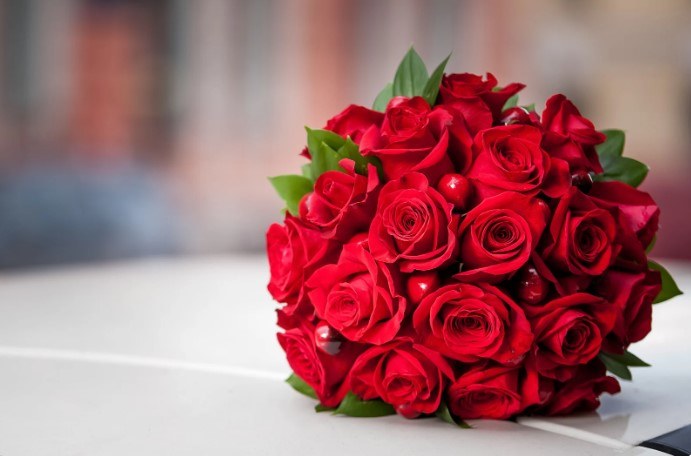
Avoid arrangements that feel hospital-adjacent: overly formal white lilies (also strongly fragrant and potentially toxic to pets), bold reds that read as romantic, or anything paired with “thinking of you” messaging that implies grief. The goal is encouragement, not sympathy. Choose colors in the peach, blush, yellow, soft purple, or warm cream range — they read as uplifting without being loud.
What to Avoid: Scent, Symbolism, and Sensitivity
Fragrance sensitivity is real and underreported among IVF patients. Progesterone supplements and estrogen patches can heighten the sense of smell significantly. Strongly scented flowers — including stargazer lilies, oriental lilies, hyacinths, and gardenias — can cause nausea or headaches, even for people who normally love those scents. Stick to low-fragrance options: sunflowers, chamomile, tulips, ranunculus, and most garden roses.
Also worth knowing: if your friend has cats or dogs, lilies of any variety are toxic to cats and can be fatal even in small amounts. When in doubt, ask your florist for a pet-safe arrangement, or choose a non-floral alternative like a succulent planter.
Regional Flower Availability and Seasonal Considerations

Where you live affects what’s available and what’s affordable. In the Northeast, local flower markets and independent florists in cities like Boston and New York have strong access to Dutch imports and domestic greenhouse flowers year-round — you’ll find ranunculus and tulips reliably even in January. In the South, particularly in states like Georgia and Texas, local roadside stands and farmers markets often carry fresh sunflowers and zinnias from early spring through fall at significantly lower prices than florists. On the West Coast, especially in California, you have the advantage of proximity to major domestic flower farms in the Central Valley — look for locally-grown dahlias, sweet peas, and lisianthus, which are more sustainably sourced and often fresher than cross-country shipped arrangements.
If you’re ordering online, services like The Bouqs Co. and Farmgirl Flowers prioritize farm-direct sourcing and are worth the slight premium for a friend in the middle of something this significant. Expect to spend $45–$85 for a quality arrangement with delivery.
Practical Tips for Sending IVF Support Flowers
- Time it thoughtfully. The hardest days are typically during the “two-week wait” after embryo transfer — this is when anxiety peaks. A delivery timed to arrive in that window can be especially meaningful.
- Skip the balloon. Balloons can feel infantilizing or prematurely celebratory. Let the flowers speak for themselves.
- Include a handwritten note. You don’t need to say anything profound. “Rooting for you every single day” or “No words, just flowers and all my love” is enough.
- Consider a subscription. Some local florists and online services like UrbanStems offer 3-delivery subscriptions starting around $90 total. Spreading flowers across a full cycle — retrieval week, transfer week, two-week wait — is genuinely thoughtful.
- Ask about her home first. A quick text (“Do you have any pets? Any flowers you hate?”) goes a long way and shows you’ve actually thought it through.
Eco-Friendly Floral Gifting for IVF Support
The cut flower industry has a significant environmental footprint — roughly 80% of flowers sold in the US are imported, primarily from Colombia and Ecuador, traveling thousands of miles by air freight. If sustainability matters to you or your friend, look for farms certified by Rainforest Alliance or VeriFlora, or source from a local farmers market. Potted plants are another option: a small pothos, peace lily (keep away from pets), or flowering kalanchoe is longer-lasting than cut flowers and creates zero waste once the blooms fade. A 4-inch kalanchoe typically runs $8–$12 at most garden centers and stays in bloom for 6–8 weeks.
FAQ: IVF Support Flowers
What flowers are best to send someone going through IVF?
Sunflowers, blush peonies, tulips, ranunculus, and chamomile clusters are excellent choices. They’re low-fragrance, cheerful in color, and carry warm symbolic meanings like hope, loyalty, and good fortune. Avoid strongly scented flowers like lilies and hyacinths, which can cause nausea due to heightened scent sensitivity during hormone treatments.
When is the best time to send IVF support flowers?
The two-week wait after embryo transfer is typically the most emotionally difficult stage of an IVF cycle. Sending flowers during this window — roughly days 1–14 post-transfer — offers support exactly when it’s most needed. Egg retrieval day is also a meaningful moment to acknowledge.
Are there flowers I should avoid sending someone on IVF?
Yes. Avoid lilies (especially oriental and stargazer varieties), hyacinths, and gardenias due to strong fragrance. Also avoid deeply red romantic arrangements or anything that reads as sympathy rather than encouragement. If your friend has cats, skip all lilies entirely — they’re toxic to cats even in small amounts.
What’s a good flower alternative for someone going through IVF?
A potted succulent, a small kalanchoe, or a bundle of dried lavender are excellent low-maintenance alternatives. They don’t require daily care, last far longer than cut flowers, and still communicate thoughtfulness. A kalanchoe stays in bloom for 6–8 weeks and costs under $15 at most garden centers.
How much should I spend on flowers for a friend going through IVF?
You don’t need to overspend. A $30–$50 arrangement from a local florist, or a $45–$85 farm-direct delivery, is more than sufficient. The timing and personal note matter more than the price tag. If budget is a concern, 10 sunflowers with greenery from a farmers market — assembled yourself — is genuinely beautiful and costs under $20.
Send Something That Lasts as Long as Your Support Does
Choosing the right IVF support flowers is less about floral knowledge and more about knowing your friend. Think about her space, her sensitivity, her style — and pick something that says “I’m in your corner for however long this takes.” A sunflower arrangement on her counter during a hard two-week wait, a blush peony bouquet on transfer day, or a dried lavender bundle that stays beautiful for months: any of these can be the gesture she remembers. Start local if you can — visit a farmers market, call an independent florist, or order from a farm-direct service. Your thoughtfulness will arrive before the flowers do.