What Flowers to Give Your Wife on Her First Mother’s Day
Contents:
- Why Her First Mother’s Day Is Different
- The Best First Mother’s Day Flowers for Your Wife
- Peonies: The Sentimental Choice
- Garden Roses: Classic With Staying Power
- Tulips: A Modern, Cheerful Alternative
- Ranunculus: The Underdog Bloom
- Peonies vs. Ranunculus: Clearing Up the Confusion
- Regional Considerations Across the US
- Practical Tips for Ordering First Mother’s Day Flowers
- Common Mistakes to Avoid
- FAQ: First Mother’s Day Flowers for Your Wife
- What are the most popular flowers for a wife’s first Mother’s Day?
- How much should I spend on Mother’s Day flowers for my wife?
- Should I get a potted plant or cut flowers for her first Mother’s Day?
- What flowers should I avoid for Mother’s Day?
- Can I order first Mother’s Day flowers online and still get quality?
- Make It a Ritual, Not a Transaction
The scent hits before you even open the front door — a soft, warm sweetness mingling with morning coffee. She looks up, and the exhaustion of the past year quietly softens into something else entirely. Choosing the right first Mother’s Day flowers for your wife is one of those gestures that can say what a card often cannot. But with dozens of options at every price point and florist counter, the decision can feel overwhelming. Here’s exactly what you need to know to get it right.
Why Her First Mother’s Day Is Different
The first Mother’s Day carries a weight that subsequent ones don’t. This is the year she became a mother — biologically, emotionally, and in every exhausting, beautiful way. That context should shape your floral choice. You’re not just buying flowers; you’re marking a threshold moment in her life.
Cut flowers average a vase life of 5–10 days depending on the variety, but the meaning they carry lasts considerably longer. According to the Society of American Florists, Mother’s Day is the third-largest holiday for retail flower purchases in the United States, with Americans spending over $2.6 billion on flowers and plants for the occasion annually. For a first-time celebration, the stakes feel — and are — personal.
The Best First Mother’s Day Flowers for Your Wife
Not all blooms are created equal for this occasion. Some carry richer symbolic weight; others simply last longer or photograph better. Here are the top choices, ranked by emotional impact and practicality.
Peonies: The Sentimental Choice
Peonies bloom in late April through June, making them a near-perfect seasonal match for Mother’s Day (the second Sunday of May). Symbolically, they represent prosperity, romance, and good fortune in new beginnings — a fitting combination. A dozen peonies from a reputable florist typically runs $60–$90. They’re also exceptionally fragrant, filling a room within hours of arrangement. The only catch: they have a shorter vase life of around 5–7 days, so order them to arrive no earlier than two days before the holiday.
Garden Roses: Classic With Staying Power
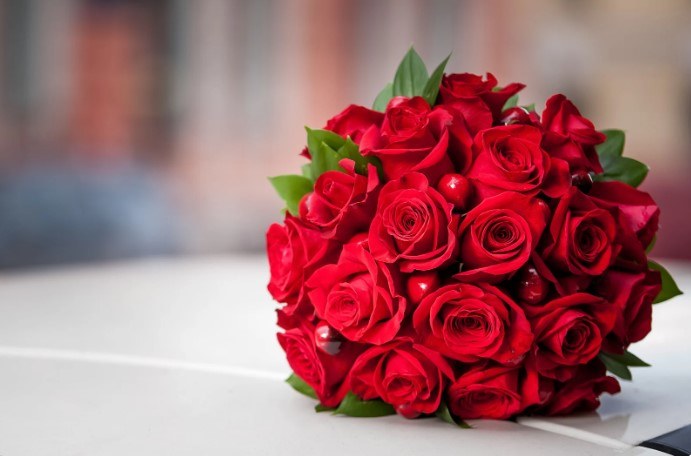
Garden roses — varieties like David Austin’s ‘Juliet’ or ‘Keira’ — offer the lush, layered look of peonies with a longer vase life of 7–10 days. They carry associations with love and devotion that feel especially appropriate for a wife. A mixed arrangement of 12–15 stems in blush, cream, or soft coral typically costs $50–$80 at most US florists. Unlike standard florist roses, garden varieties have a subtle perfume that makes the gift feel more artisanal and considered.
Tulips: A Modern, Cheerful Alternative
If your wife leans toward a more contemporary aesthetic, tulips are an underrated option. Available in over 3,000 registered varieties, they can be tailored precisely to her color preferences. A bundle of 20 tulips generally costs $25–$40, making them one of the better value choices without feeling cheap. Parrot tulips, with their ruffled, painterly petals, photograph particularly well — relevant if she’s likely to share the moment on social media.
Ranunculus: The Underdog Bloom
Ranunculus looks almost impossibly delicate — dozens of tissue-thin petals arranged in concentric circles. It’s often confused with both peonies and garden roses by non-botanists, but it’s a distinct species in the Ranunculus genus. A mixed bouquet of ranunculus carries a boutique quality that signals genuine thought and effort. Expect to pay $45–$70 for a full arrangement. They last 7–10 days in a cool room, making them a reliable practical choice as well.
Peonies vs. Ranunculus: Clearing Up the Confusion
Many buyers conflate peonies and ranunculus — both are densely petaled and similarly sized. The key differences are meaningful. Peonies (Paeonia spp.) have a much stronger fragrance, larger individual blooms (often 4–6 inches across), and a shorter availability window. Ranunculus blooms are typically 2–3 inches across, nearly odorless, and have a slightly longer shelf life. For a wife who appreciates scent, peonies win. For someone who prioritizes visual longevity and an elegant minimalist arrangement, ranunculus is the stronger choice.
Regional Considerations Across the US
Where you live affects both availability and presentation norms. In the Northeast, late-spring temperatures keep floral cooler longer, making fragrant varieties like peonies and lilacs viable without wilting concerns. Florists in cities like Boston and New York often stock premium European varieties with higher availability in May.
In the South, heat is a real factor. Opt for hardier stems like garden roses or chrysanthemums, and request same-day or next-day delivery to minimize heat exposure. Many Southern brides traditionally associate gardenias with milestone moments — worth considering if your wife grew up in that cultural context.

On the West Coast, especially California, locally grown flowers are widely available through farmers’ market florists and platforms like Farmgirl Flowers. Locally sourced arrangements reduce transit time and tend to include unexpected seasonal varieties — anemones, protea, or California poppies — that feel genuinely regional and personal.
Practical Tips for Ordering First Mother’s Day Flowers
- Order at least 5–7 days in advance. Major florists sell out of premium arrangements by Wednesday of Mother’s Day week.
- Specify a delivery window. Many services offer 2-hour delivery windows — choose one when she’s home and the moment isn’t interrupted.
- Ask for a “vase-ready” arrangement. Some bouquets arrive wrapped and need cutting and arranging. A vase-ready option delivers immediate visual impact.
- Include a handwritten card insert. Online platforms like Teleflora and 1-800-Flowers charge $5–$8 for premium card inserts — worth it over a printed sticker label.
- Match stem color to your home’s palette. Blush and white arrangements photograph well in most interiors; bold jewel tones make a stronger standalone statement.
Common Mistakes to Avoid
- Buying grocery store flowers day-of. Pre-packaged supermarket bouquets are typically 3–5 days into their vase life before purchase. They’ll wilt within 2–3 days at home.
- Choosing flowers based on your preference. If she mentioned admiring a neighbor’s garden roses last summer, lead with that memory, not what you find prettiest.
- Ignoring allergies. Stargazer lilies and heavily scented arrangements can trigger reactions in new mothers with heightened sensitivities postpartum. When in doubt, go low-allergen: roses, tulips, and ranunculus are safer choices.
- Sending without context. A bouquet that arrives with a card explaining why you chose those specific flowers — “peonies because you carried our baby through a brutal winter” — transforms a purchase into a memory.
FAQ: First Mother’s Day Flowers for Your Wife
What are the most popular flowers for a wife’s first Mother’s Day?
Peonies, garden roses, and ranunculus are the most popular premium choices for a wife’s first Mother’s Day. Tulips are a strong budget-friendly alternative. All are widely available from US florists in May.
How much should I spend on Mother’s Day flowers for my wife?
A meaningful, high-quality arrangement typically costs $50–$100 from a dedicated florist. Budget options from grocery chains run $20–$35 but have shorter vase lives. For a first Mother’s Day, $60–$80 is a reasonable benchmark for a premium bouquet.
Should I get a potted plant or cut flowers for her first Mother’s Day?
Cut flowers create an immediate, celebratory moment. Potted plants — particularly flowering ones like gardenias or orchids — last longer and can symbolize growth alongside motherhood. If she enjoys gardening, a potted option may carry more long-term meaning. For instant visual impact, cut flowers win.
What flowers should I avoid for Mother’s Day?
Avoid heavily scented flowers like Stargazer lilies if she’s postpartum or allergy-prone. Skip carnations as a primary bloom — while not wrong, they read as an afterthought in many cultural contexts. Yellow roses, which historically carry associations with friendship rather than romance, are better avoided for a wife.
Can I order first Mother’s Day flowers online and still get quality?
Yes, with caveats. Services like Teleflora, FTD, and UrbanStems use local florist networks and maintain reliable quality. For maximum freshness, use a local florist you can call directly. Order at least 5 days in advance for Mother’s Day week.
Make It a Ritual, Not a Transaction
The best first Mother’s Day flowers for your wife aren’t the most expensive ones — they’re the ones chosen with the specific weight of this particular year in mind. She spent months growing and delivering a life. A bouquet of peonies or garden roses chosen deliberately, with a card that names what you witnessed her do, closes the loop on something she may not have had words for yet. Order early. Choose intentionally. Next year, you’ll already know her favorite — and that’s when the ritual truly begins.