Flowers to Give Your Doctor After a Successful Surgery

Contents:
- Why Flowers Work as a Thank-You for Medical Professionals
- Best Flowers to Choose for Doctor Thank You Flowers
- Sunflowers
- White or Cream Roses
- Lilies (Low-Pollen Varieties)
- Orchids as a Lasting Gift
- What to Avoid Sending
- The Eco-Friendly Angle Worth Considering
- A Reader Story That Gets It Right
- Practical Tips for Delivering Doctor Thank You Flowers
- Online Ordering vs. Local Florist
- FAQ: Doctor Thank You Flowers
- Is it appropriate to give flowers to your doctor?
- What flowers are best for a medical office setting?
- How much should you spend on thank-you flowers for a doctor?
- Should you give flowers to the whole surgical team or just the surgeon?
- Can you send flowers directly to a hospital?
- Making Your Gratitude Count With the Right Doctor Thank You Flowers
The smell of antiseptic is finally fading. You’re home, healing, and feeling that particular brand of grateful that goes bone-deep — the kind that makes you want to do something, anything, to say thank you properly. A card feels too small. A gift card feels impersonal. But a beautiful arrangement of fresh flowers? That lands differently. Choosing the right doctor thank you flowers is a small act that carries real weight, and getting it right takes just a little thought.
Surgeons and their teams receive appreciation in many forms, but flowers remain one of the most universally welcome gestures. They brighten a clinical space instantly. They signal that a patient’s recovery meant something beyond the procedure itself. And unlike food gifts, they don’t create awkward dietary questions.
Why Flowers Work as a Thank-You for Medical Professionals
Medical offices and hospital environments are deliberately neutral — beige walls, fluorescent light, the occasional motivational poster. A fresh floral arrangement cuts right through that. Studies from Rutgers University found that flowers trigger immediate positive emotional responses in nearly 100% of recipients, and that effect doesn’t diminish for people who receive them regularly.
Doctors, nurses, and surgical staff often describe feeling invisible to the broader healthcare system even when patients are deeply grateful. A thoughtful gesture directed specifically at them — not the hospital, not the front desk generally, but them — registers in a meaningful way. One bouquet delivered with a handwritten note can do more for morale than a dozen anonymous comment cards.
Best Flowers to Choose for Doctor Thank You Flowers
Not all flowers are created equal for this purpose. You want something that looks generous without being over-the-top, lasts well in an office environment, and ideally doesn’t trigger allergies in a medical setting where patients with sensitivities may pass through.
Sunflowers
Sunflowers are a near-perfect choice. They’re cheerful without being precious, they last 7 to 12 days in a vase with proper care, and they read as warm and appreciative rather than romantic. A mixed arrangement built around sunflowers — perhaps with white daisies or eucalyptus — runs roughly $45 to $75 from most US florists and photographs beautifully if staff want to share it on social media.
White or Cream Roses
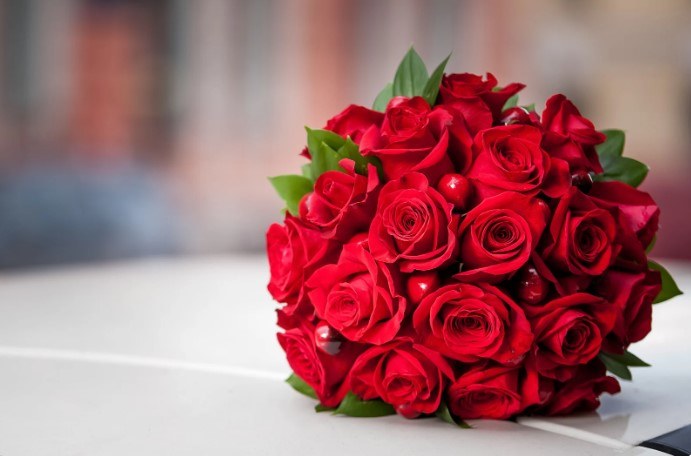
A dozen white or cream roses communicates respect and genuine gratitude. Avoid red roses entirely — the romantic connotation is too strong and can create awkwardness. White roses in a simple vase feel professional and elegant. Expect to spend $60 to $90 for a quality arrangement from a local florist.
Lilies (Low-Pollen Varieties)
Asiatic lilies are stunning and long-lasting, but standard varieties shed pollen aggressively — a real problem in a medical office. If you go with lilies, ask your florist specifically for pollen-free or low-pollen varieties, or request that stamens be removed before arrangement. Oriental lilies also carry a heavy fragrance that some patients find overwhelming. Double-check this before ordering.
Orchids as a Lasting Gift
A potted orchid is worth serious consideration. Unlike cut flowers that fade within a week, a healthy phalaenopsis orchid blooms for 8 to 12 weeks and can rebloom for years with minimal care. For a doctor with a private office, this is a genuinely lasting reminder of your gratitude. Quality potted orchids run $30 to $60 at most garden centers or through 1-800-Flowers and similar services.
What to Avoid Sending
A few choices that seem thoughtful can actually backfire in a medical setting.
- Strongly scented flowers — Gardenias, tuberoses, and heavily fragrant stargazer lilies can aggravate patients with respiratory issues or migraines. Many hospitals have fragrance-free policies in clinical areas.
- Very large arrangements — A three-foot arrangement is impractical in a small office or nurses’ station. Aim for something that fits comfortably on a desk or counter without dominating the space.
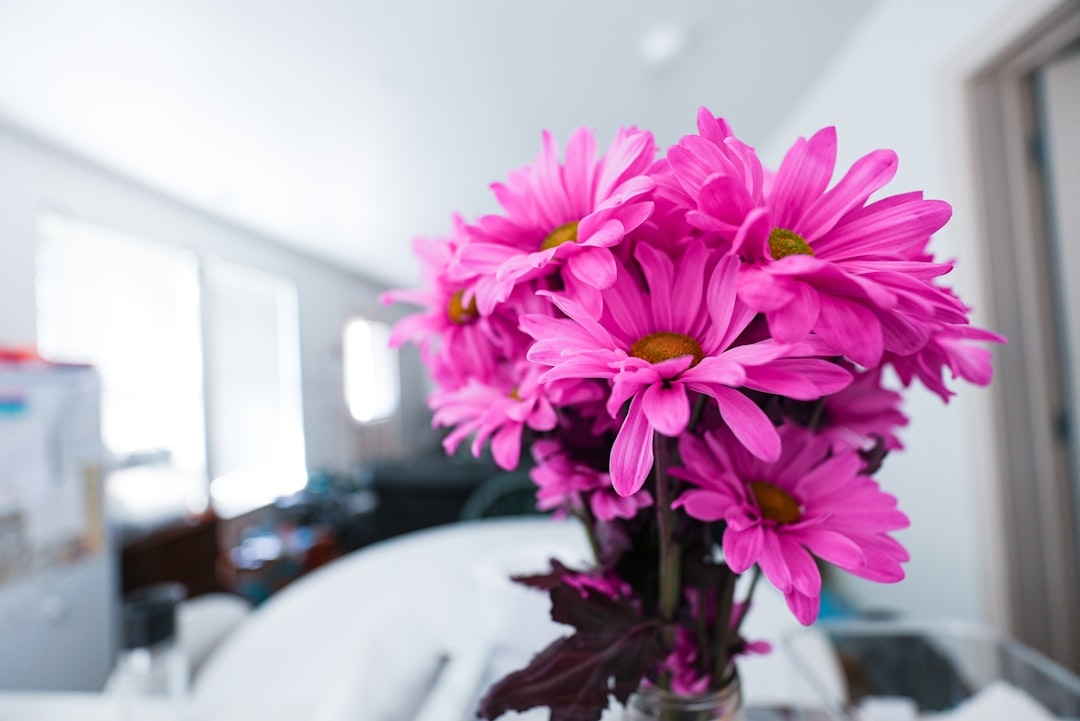
- Flowers with known allergen profiles — Chamomile and chrysanthemums are in the ragweed family and can trigger reactions in sensitive individuals.
- Wilting or grocery-store “day-of” flowers — These read as an afterthought. If you’re going to send flowers, send good ones.
The Eco-Friendly Angle Worth Considering
Here’s something most people don’t think about: the US cut flower industry imports roughly 80% of its flowers, primarily from Colombia and Ecuador, which means significant carbon miles and often heavy pesticide use. If sustainability matters to you — and increasingly it matters to the recipients too — look for florists who source locally or carry certified organic blooms.
Search for florists in your area with “farm-to-vase” or “sustainably sourced” in their descriptions. The Slow Flowers directory (slowflowers.com) lists US-based florists committed to domestic and seasonal sourcing. Local blooms in season — think zinnias in summer, dahlias in fall — are often fresher, last longer, and cost less than imported alternatives. Wrapping an arrangement in recycled kraft paper rather than plastic floral wrap is another easy ask when ordering.
A Reader Story That Gets It Right
A woman named Carrie from Portland, Oregon shared her experience after her mother’s knee replacement surgery. She wanted to thank the surgical team — not just the surgeon, but the anesthesiologist and two nurses who had stayed with her mother during recovery. Instead of one large bouquet, she ordered three small arrangements of locally grown dahlias from a farmers market vendor, each about $25, with individual handwritten notes naming something specific each person had done. She said the response was extraordinary — one of the nurses texted her mother two weeks later to say the flowers were still on her desk and that the note had been pinned to her board at home.
The lesson: specificity matters. Flowers paired with a note that names the person and references something real they did elevates the gesture from generic to genuinely moving.
Practical Tips for Delivering Doctor Thank You Flowers
- Call ahead. Confirm the delivery address and whether the office accepts deliveries. Some hospital systems have policies about outside deliveries reaching staff directly.
- Time it thoughtfully. Mid-morning on a Tuesday or Wednesday tends to be less chaotic in most medical offices than Monday mornings or Friday afternoons.
- Include a vase or self-watering container. Medical offices rarely have spare vases. A self-contained arrangement removes this burden entirely.
- Budget realistically. A meaningful arrangement doesn’t require spending $150. A well-chosen $50 bouquet from a good local florist beats an expensive arrangement that looks generic.
- Consider the whole team. If the nursing staff and surgical team were part of your care, address the arrangement to the whole team rather than just the surgeon. It goes further and feels more generous.
Online Ordering vs. Local Florist
National delivery services like Teleflora, FTD, and 1-800-Flowers offer convenience and same-day delivery in most US cities, but what you see online is not always what arrives. Photos on these sites often represent “designer’s choice” interpretations that vary by local fulfilling florist. If you use a national service, order one tier above your budget to account for the gap between the photo and reality.
A local florist, by contrast, lets you speak directly to the designer, specify your needs, and often produces a more distinctive arrangement for the same price. Google reviews and Instagram presence are reliable quality indicators. Florists with consistent five-star reviews and an active portfolio on social media are generally your safest bet.
FAQ: Doctor Thank You Flowers
Is it appropriate to give flowers to your doctor?
Yes, flowers are a widely accepted and appropriate thank-you gift for doctors and medical staff in the US. They’re non-monetary, culturally neutral, and don’t create ethical concerns around gift-giving policies at most medical practices.
What flowers are best for a medical office setting?
Sunflowers, white roses, and low-pollen lilies are excellent choices. Avoid heavily fragrant flowers like gardenias or tuberoses, which may affect patients with sensitivities. A potted orchid is a great option for a surgeon with a private office.
How much should you spend on thank-you flowers for a doctor?
A quality arrangement in the $45 to $85 range is appropriate and generous. You don’t need to spend more than that. For a whole surgical team, $60 to $100 for a larger shared arrangement is reasonable.
Should you give flowers to the whole surgical team or just the surgeon?
Addressing flowers to the whole team — including nurses, the anesthesiologist, and support staff — is often more impactful. Surgeons receive more recognition than supporting staff, so including everyone tends to be especially appreciated.
Can you send flowers directly to a hospital?
Policies vary by hospital. Many facilities accept flower deliveries to staff areas, but some have fragrance-free or delivery-restriction policies. Call the surgical department or the doctor’s office directly to confirm the best delivery approach before ordering.
Making Your Gratitude Count With the Right Doctor Thank You Flowers
You went through something significant. The people who helped you through it deserve more than a form letter. Sending doctor thank you flowers is a gesture that costs relatively little but lands with lasting effect — especially when you choose thoughtfully, pair them with a specific handwritten note, and consider the whole team, not just the person at the top. If you want to take it one step further, go local, go seasonal, and ask your florist about sustainably sourced options. The extra thought shows. It always does.
Ready to order? Pull up your nearest florist’s website right now — or search the Slow Flowers directory for a local grower near you — and put something beautiful into the hands of someone who genuinely earned it.