Best Flowers to Give Your Wife on a Random Weekday (And Why It Matters More Than You Think)
Contents:
- Why Random Weekday Flowers Hit Different Than Holiday Bouquets
- The Best Wife Random Weekday Flowers, Ranked by Impact
- Ranunculus — The Underrated Showstopper
- Garden Roses — Classic, But Earned
- Sweet Peas — Fragrance-First
- Lisianthus — The Florist’s Secret
- Dahlias — Summer’s Best Drama
- Tulips — Simple, Seasonal, and Still Undervalued
- A Quick Budget Breakdown for Weekday Bouquets
- Ranunculus vs. Peonies: Clearing Up a Common Mix-Up
- Practical Tips for Making Weekday Flowers Last
- Frequently Asked Questions
- What flowers are best to give a wife for no reason?
- How much should I spend on a surprise weekday bouquet?
- What flowers last the longest in a vase?
- Should I get a wrapped bouquet or an arranged vase?
- Are there flowers I should avoid giving my wife?
- Make It a Habit Worth Keeping
You didn’t forget an anniversary. There’s no birthday on the calendar. It’s just a Tuesday — and something in you says today’s the day. That instinct? Trust it. The best gift you can give isn’t tied to a Hallmark occasion. It’s the one that shows up unexpectedly, still wrapped in cellophane, smelling like a garden in full bloom, handed over for no reason at all.
Choosing wife random weekday flowers is deceptively simple — and deceptively easy to get wrong. Not every bloom sends the right message. Not every stem survives a car ride. And not every flower suits the season, your budget, or your garden’s current offering. This guide cuts through the noise and gives you a real, grower-informed answer to what works, what lasts, and what will actually make her stop mid-sentence and smile.
Why Random Weekday Flowers Hit Different Than Holiday Bouquets
There’s a psychology behind the unexpected gift that Valentine’s Day simply can’t replicate. When a gesture has no occasion to justify it, the only explanation is genuine affection. Research from the Journal of Experimental Social Psychology found that surprise gifts generate significantly stronger emotional responses than expected ones — even when the surprise gift has a lower monetary value.
Florists know this too. Walk into any neighborhood flower shop on a random Wednesday and you’ll often find fresher stock than on February 13th, when blooms have been sitting in cold storage for weeks to meet demand. A mid-week bouquet is frequently more vibrant, more fragrant, and better priced than its holiday counterpart.
For the hobbyist gardener, there’s another layer: you can grow many of these flowers yourself. That shift from store-bought to hand-cut changes everything. A bouquet from your own garden — snipped that morning, stems still damp — carries a weight that no florist arrangement can match.
The Best Wife Random Weekday Flowers, Ranked by Impact
These aren’t just pretty faces. Each flower below earns its place based on vase life, scent, availability, and the emotional resonance of its color and form.
1. Ranunculus — The Underrated Showstopper
Ranunculus look like peonies but bloom earlier, cost less, and last longer in a vase — typically 7 to 10 days with fresh water changes. Available in soft peach, cream, coral, and deep burgundy, they photograph beautifully and feel luxurious without the luxury price tag. Expect to pay $8–$14 per stem at specialty florists, or grow your own from corms planted in fall (Zones 8–10) or early spring (Zones 4–7).
2. Garden Roses — Classic, But Earned
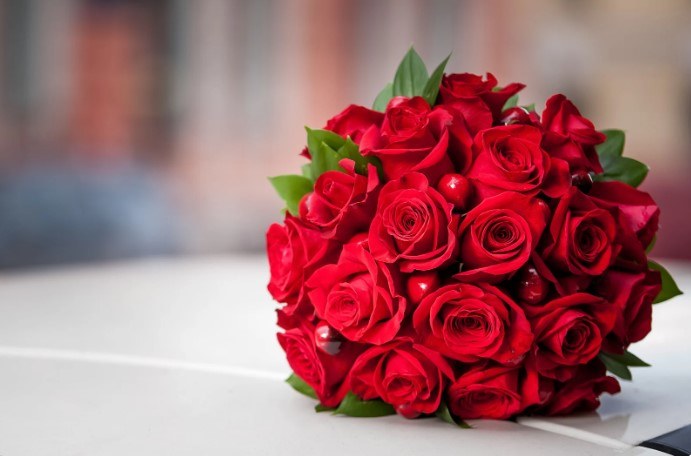
Not the grocery store roses with three inches of thorns and zero scent. We’re talking David Austin-style garden roses: ‘Juliet’, ‘Miranda’, ‘Olivia Rose’. These have dense, quartered blooms and a fragrance that fills a room. A single stem of ‘Juliet’ at a premium florist runs $6–$12. Cut from your own garden in June, it costs nothing but care. Vase life is 5–7 days.
3. Sweet Peas — Fragrance-First
Sweet peas don’t last long in a vase — 4 to 5 days at best — but no flower delivers more fragrance per dollar. A homegrown bunch, cut fresh in the morning when stems are turgid, smells like a perfumer’s fantasy. In the Northeast and Pacific Northwest, sweet peas thrive in cool spring weather. In the South, plant them in late fall for a February bloom. Store-bought bunches average $6–$10.
4. Lisianthus — The Florist’s Secret
Most people haven’t heard of lisianthus, which is exactly why it works so well. It resembles a ruffled rose or tulip, holds up in a vase for an impressive 10–14 days, and comes in purple, white, blush, and deep plum. Florists use it as a filler, but a mono-varietal lisianthus bouquet is genuinely stunning. At $3–$6 per stem, it punches well above its price point.
5. Dahlias — Summer’s Best Drama
If it’s July through October, stop overthinking it and buy dahlias. Or better yet, grow them — a single tuber planted in May produces dozens of blooms. Café au lait dahlia is the most requested variety at wedding florists right now, with good reason: its muted blush-bronze tone works with everything. Vase life runs 5–8 days if you recut stems and use floral preservative. Tubers cost $4–$12 each; cut stems at florists average $5–$9.
6. Tulips — Simple, Seasonal, and Still Undervalued
Tulips get dismissed as basic, but that’s a category error. A bundle of parrot tulips — with their fringed, flame-streaked petals — is anything but ordinary. In the Northeast and Midwest, locally grown tulips appear at farmers markets in April and May for $8–$15 a bunch. Dutch imports are available year-round but lack the staying power of locally sourced stems. Vase life: 5–7 days.
A Quick Budget Breakdown for Weekday Bouquets
You don’t need to spend $80 to make an impression. Here’s a realistic breakdown:
- Under $15: A market bunch of tulips or sweet peas, or a simple lisianthus bunch from a grocery store with a real floral department.
- $15–$35: A florist-arranged mixed bouquet with 3–5 varieties, typically including ranunculus, eucalyptus, and a focal bloom like a garden rose.
- $35–$60: A premium arrangement with dahlias, garden roses, or peonies in a vase, from a boutique florist.
- From your garden: $0–$5 (cost of a rubber band and a bit of twine). Priceless in the ways that matter.

Regional pricing varies. In the Pacific Northwest and Northeast, proximity to wholesale flower markets (like Seattle’s Pike Place or New York’s 28th Street flower district) means better variety and lower prices. In rural areas of the South and Midwest, grocery store floral departments often offer the best value, with weekly restocks on Tuesdays and Fridays.
Ranunculus vs. Peonies: Clearing Up a Common Mix-Up
If you’ve ever stood in a flower shop squinting at two similar-looking blooms, you’ve probably encountered the ranunculus-peony confusion. Both have layered, full petals and a soft romantic quality. But they’re not interchangeable.
Peonies bloom once a year — late May through June in most of the US — and cost $8–$18 per stem during their short season. Outside that window, they’re either unavailable or very expensive imports. Ranunculus, by contrast, are available from late winter through early summer and hold their form better in warm indoor environments. If you want the peony look without the peony price or seasonal limitation, ranunculus is your answer nearly every time.
Practical Tips for Making Weekday Flowers Last
A beautiful bouquet that wilts in two days sends an unintended message. These habits make the difference:
- Recut stems at a 45-degree angle immediately before placing in water — even if they were already cut at the shop. This reopens the vascular tissue.
- Remove all foliage below the waterline. Submerged leaves rot within 24 hours and introduce bacteria that shorten vase life dramatically.
- Use the floral preservative packet if it comes with the bouquet — or make your own with 1 teaspoon sugar, 1 teaspoon bleach, and 2 teaspoons lemon juice per quart of water.
- Keep flowers away from fruit bowls. Ripening fruit releases ethylene gas, which accelerates flower aging.
- Change the water every two days and recut stems each time. This single habit can extend vase life by 30–50%.
Frequently Asked Questions
What flowers are best to give a wife for no reason?
Ranunculus, garden roses, and dahlias are all excellent choices for wife random weekday flowers because they feel personal and intentional — not like a last-minute gas station grab. Sweet peas work especially well if your wife appreciates fragrance over form.
How much should I spend on a surprise weekday bouquet?
A $15–$30 bouquet from a florist or farmers market is plenty. The gesture matters far more than the price. A hand-cut bunch from your own garden, regardless of cost, will almost always outperform a store-bought arrangement emotionally.
What flowers last the longest in a vase?
Lisianthus (10–14 days), chrysanthemums (up to 14 days), and alstroemeria (up to 2 weeks) are the longest-lasting cut flowers. Ranunculus and tulips fall in the 5–10 day range with proper care.
Should I get a wrapped bouquet or an arranged vase?
A wrapped bouquet feels more spontaneous and personal — like you picked it up because you were thinking of her, not because you planned a production. An arranged vase works better if she doesn’t have a go-to vase at home or if you want something display-ready immediately.
Are there flowers I should avoid giving my wife?
Yellow carnations traditionally signal disappointment or rejection in some floral symbolism traditions — though most people won’t read that into them. More practically, avoid flowers with heavy pollen (like lilies with open stamens) if she has allergies, and skip flowers with very short vase lives (like lily of the valley) for a weekday surprise when she may not tend to them immediately.
Make It a Habit Worth Keeping
The gardeners who do this best aren’t the ones who agonize over the perfect bloom. They’re the ones who make it easy on themselves: a few ranunculus corms in the ground each fall, a sweet pea trellis by the fence, a dahlia tuber or two in a pot on the patio. By midsummer, the question stops being what should I get her and becomes which one should I cut today.
Start small. Pick one of the flowers above that suits your climate and your garden’s current stage. Plant it, grow it, cut it with intention. The best wife random weekday flowers aren’t found in a shop — they’re grown in the ten minutes before dinner, still warm from the afternoon sun, handed over like it’s nothing, because by then, it will be. Just what you do.